
Deck Builder Serving Connecticut
Twenty Connecticut towns, run out of our Middletown office, from Hartford and West Hartford out to the Long Island Sound shoreline in Madison.
About Connecticut
Our Connecticut coverage runs out of the Middletown office and spans three counties, Middletown's own Middlesex County river towns, the Hartford County core including the state capital and West Hartford, and a New Haven County stretch reaching Meriden, Cheshire, and shoreline Madison.
Homeowners from Hartford to Meriden call Sustainable Decks when they need a deck builder who shows up and finishes the job, not a subcontractor they've never met. We bring a 5-star Google rating and a licensed Massachusetts Construction Supervisor to every project in Connecticut.
Housing runs from Hartford's dense, older city neighborhoods to established suburbs like West Hartford and Wethersfield, historic village centers like Old Wethersfield and Southington's Plantsville, and more rural towns like Durham and Haddam along the Connecticut River.
Served from our Middletown, CT office, 101 Centerpoint Drive.
Why homeowners across Connecticut choose us
What matters for a build across Connecticut
Site conditions
Madison is genuinely coastal, Long Island Sound puts real exposure on properties close to the water, similar in practice to what we account for on the Massachusetts coast. Most of the rest of our Connecticut coverage is inland along the Connecticut River corridor, no salt exposure, though river-adjacent properties in Haddam, Cromwell, Portland, and Rocky Hill need their own drainage awareness.
Why we don't carry Massachusetts numbers across the border
Connecticut sets its own frost depth and building code requirements separately from Massachusetts. We confirm the actual Connecticut State Building Code requirement for each project rather than assuming a Massachusetts figure applies just because it's the number we use most often.
What we build across Connecticut
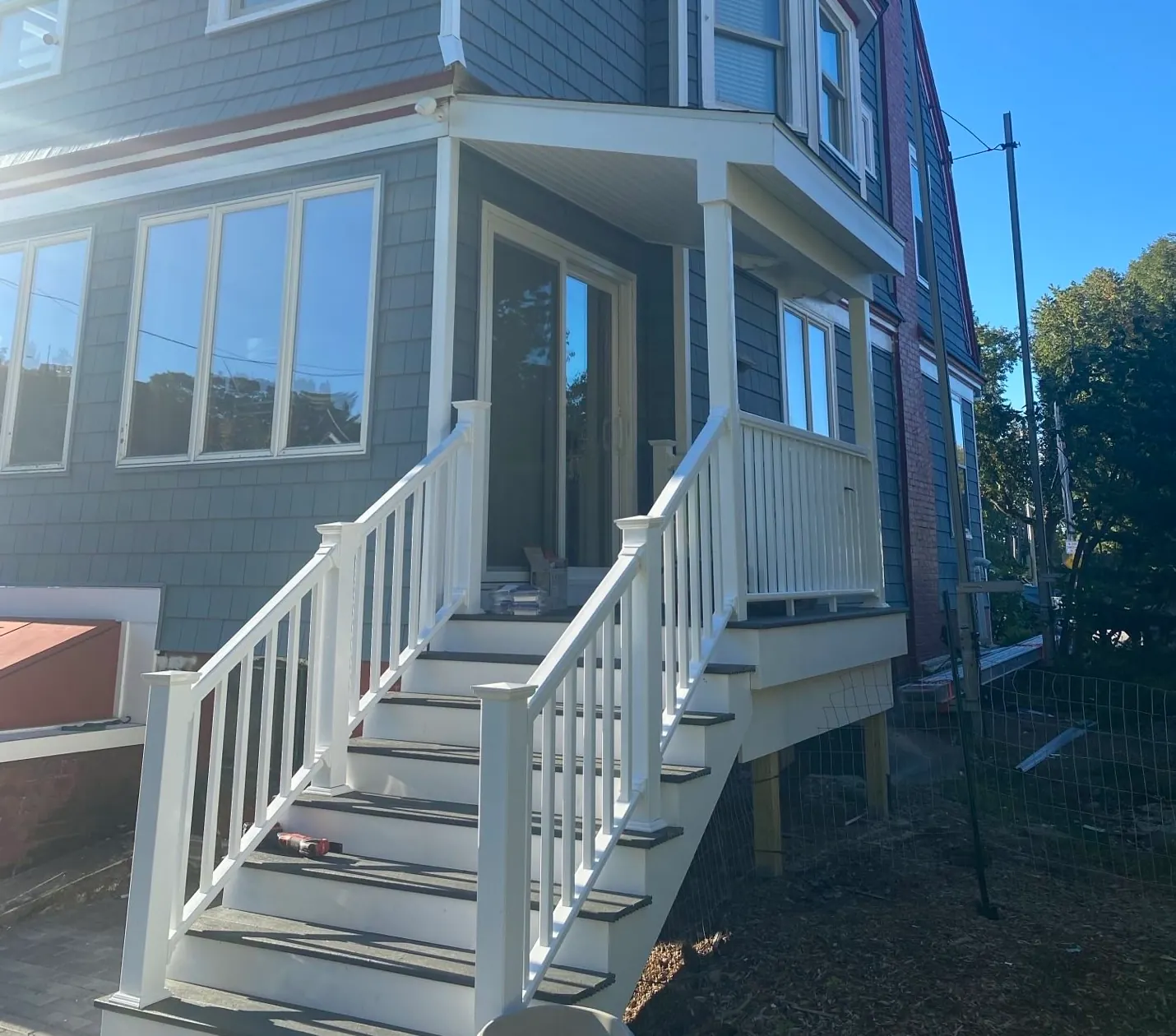
Composite, PVC, and wood decks built to hold up through a New England winter, not just look good the…
Farmers porches, entryways, screened-in and wraparound porches, framed and roofed to match your home…
Paver, stone, and concrete patios built on a properly compacted base, so they don't heave or settle …
Vinyl, fiber cement, and cedar siding installation and repair, including fascia, gutters, and trim, …
How a project goes
Site visit
Grade, drainage, and sun exposure get measured in person, square footage alone doesn't tell us what we need to know.
Materials and layout
You pick the board and the shape of the thing. We're honest about which choice ages well and which one is cosmetic.
Permitting and construction
The permit goes in under our name, inspections get scheduled, and the same crew stays on the job start to finish.
Final walkthrough
Before we leave, we go over seasonal care in writing, so it isn't something you half-remember from a conversation.
Credentials
Contracts in writing, always
Required under Connecticut's Home Improvement Act. We treat it as the baseline, not a formality.
Insured
Liability certificate provided with every quote, before you ask for it.
Call Before You Dig compliance
Connecticut law (CGS § 16-345) requires at least two full business days notice before excavation, filed through the 811 Call Before You Dig center for any job touching footings or a base.
Financing options
Available for bigger projects, so the job isn't sized down to fit this month's budget.
Call Before You Dig
Connecticut requires two business days' notice before excavation under CGS Sec. 16-345. We file it for any job that involves footings or a base.
Financing available
For larger projects, so scope isn't limited to what fits in savings this month.
Recent work across Connecticut
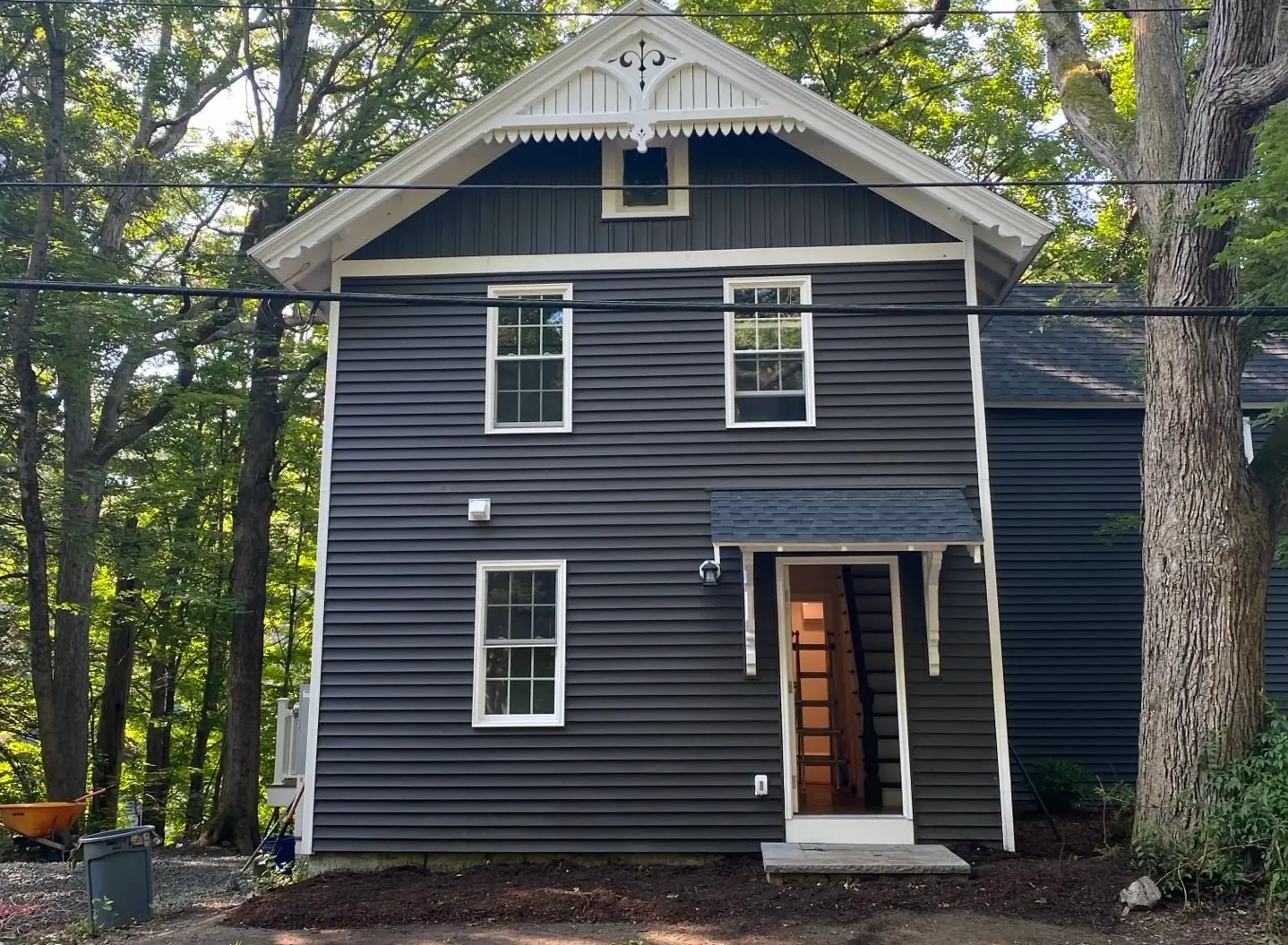
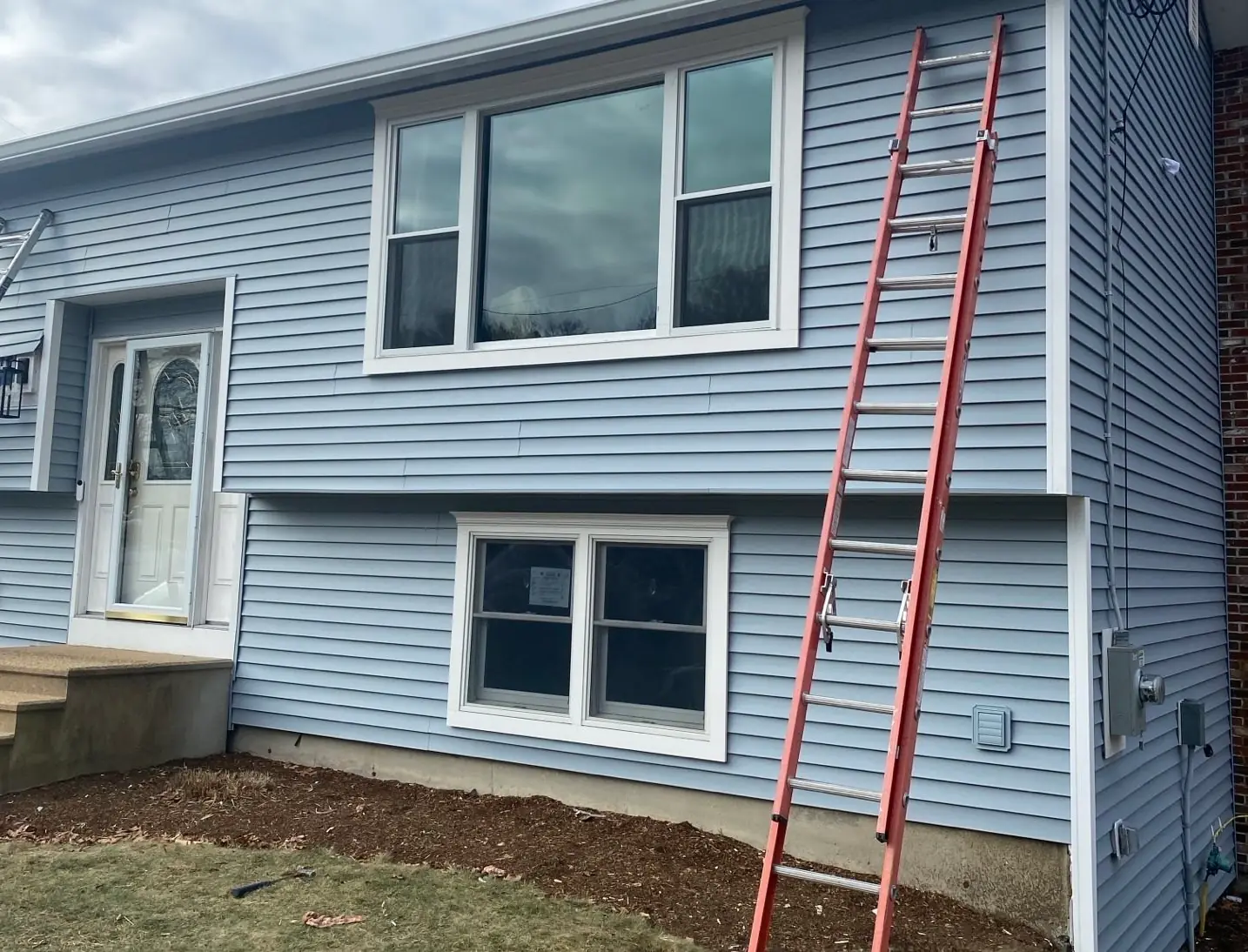
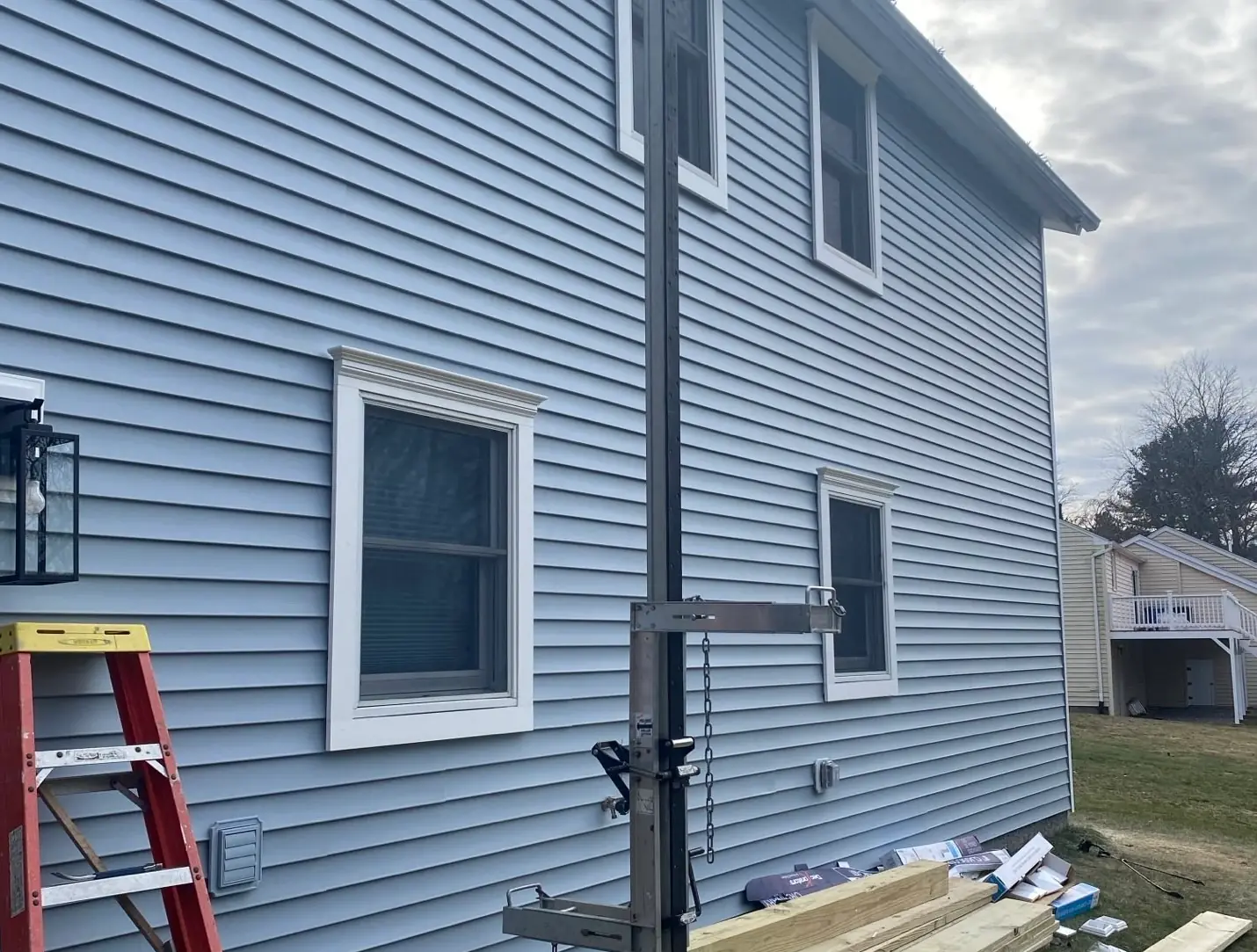
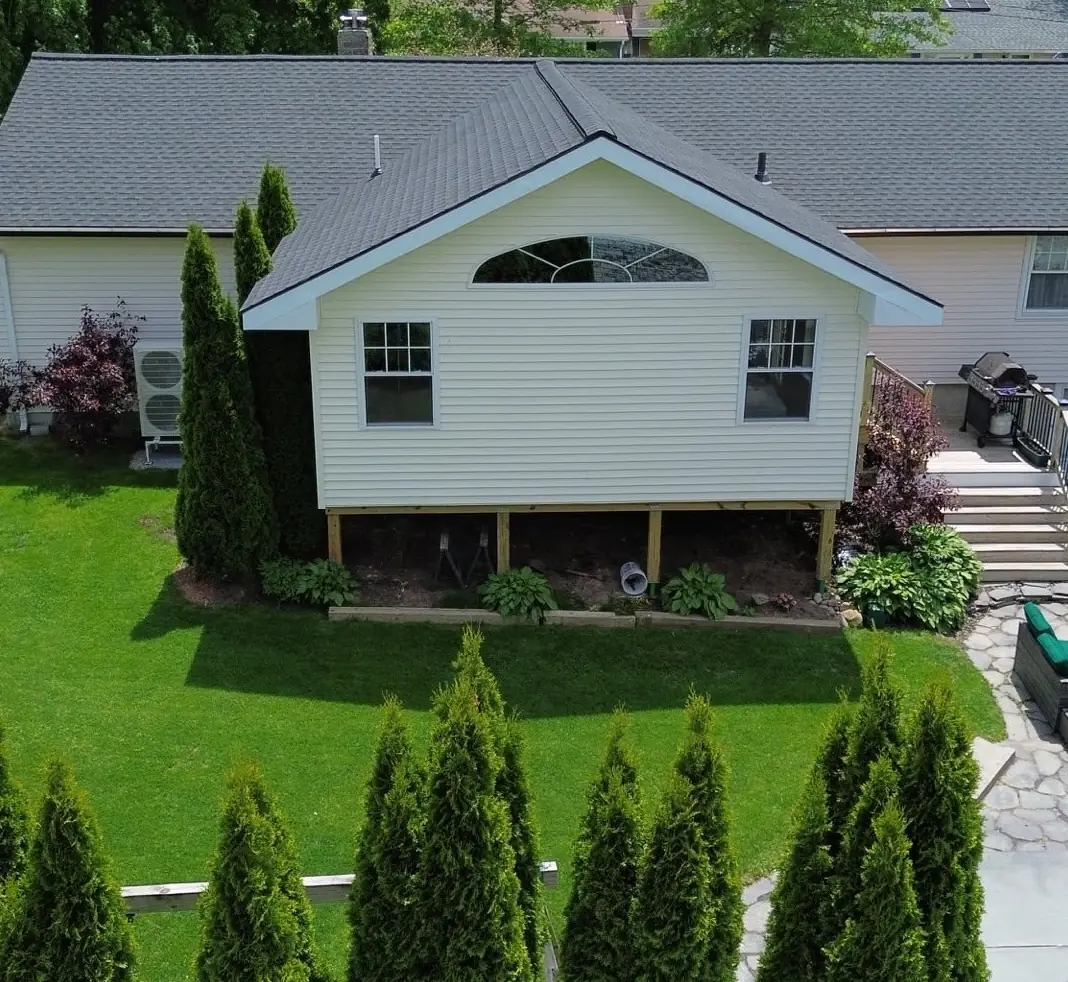
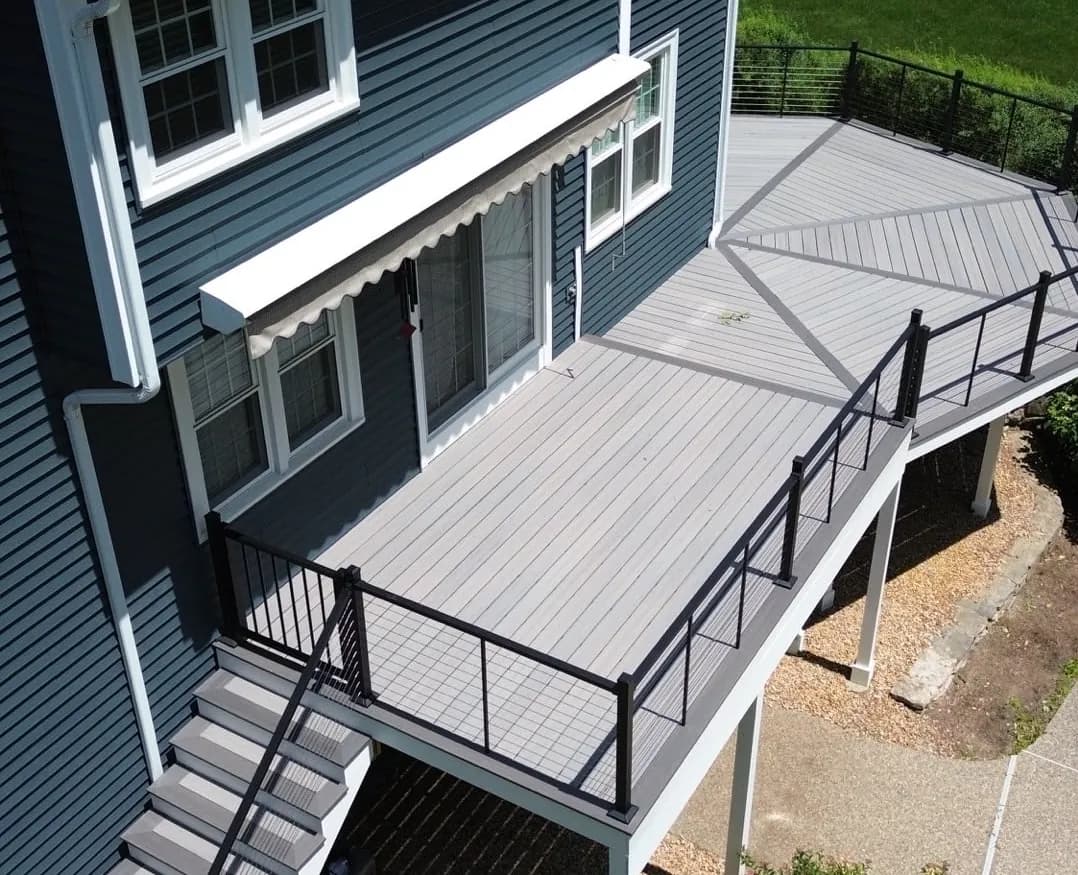
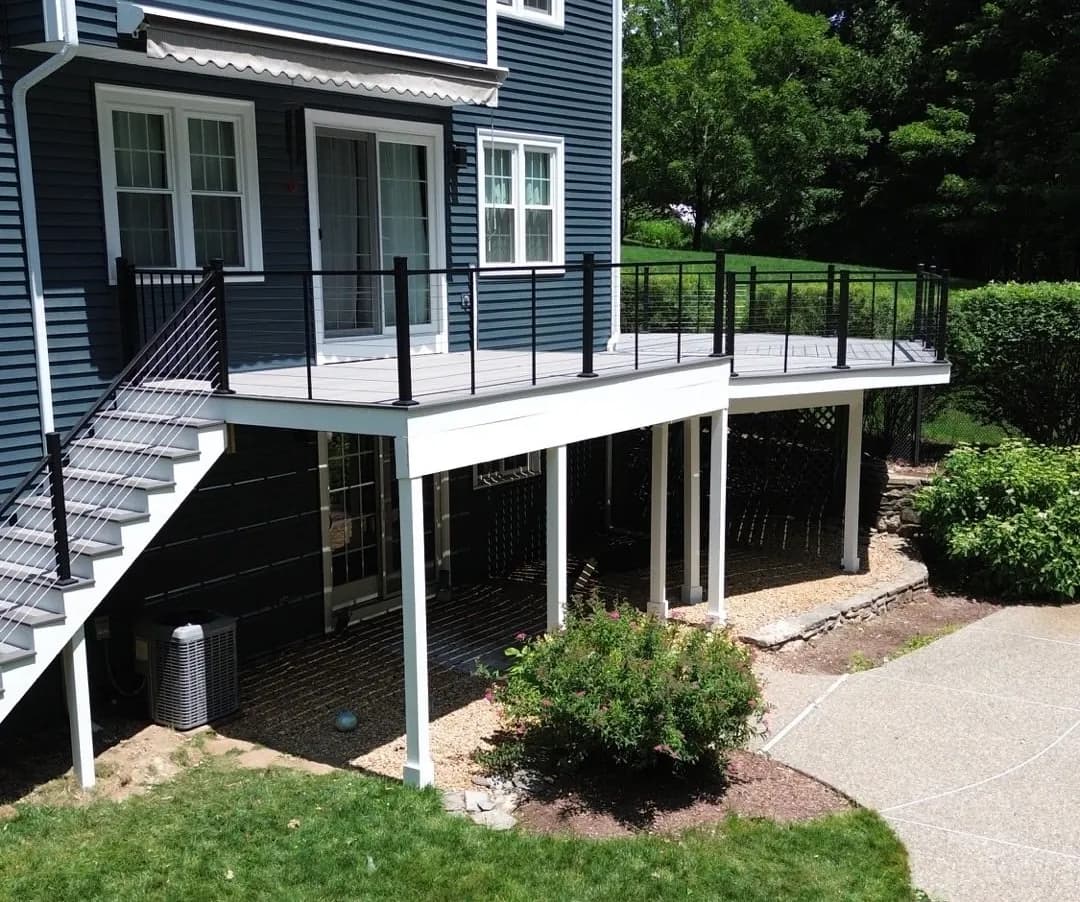
Real Sustainable Decks jobsite photography. Photos confirmed to a specific town get added as we tag them.
Common questions
A standard single-level deck usually runs one to two weeks once material arrives, weather and permit timing aside. Porches, patios, and multi-level decks run longer. You get a real schedule in the proposal, not a range.
Pressure-treated wood costs less up front and needs restaining every two to three years. Composite costs more at install and after that you're mostly just washing it. Over 15 years the math usually favors composite, we'll run the real numbers for your project.
Yes. We offer financing options for larger projects, so the scope of the job isn't limited to whatever fits in savings this month.